Dog walking has grown from a casual favour into a recognised service industry across the UK. With more people working long hours or juggling busy schedules, professional dog walkers play an important role in supporting dog welfare and owner peace of mind.
Whether you are looking at dog walking as a side hustle or considering it as a full-time career, understanding what the job actually involves day to day is essential. This article explains what a dog walker does, the key responsibilities of the role, and what you can realistically expect from working as a professional dog walker.
The core role of a dog walker
At its simplest, a dog walker is responsible for exercising and caring for dogs while their owners are at work or otherwise unavailable. In practice, the role goes far beyond simply walking from A to B.
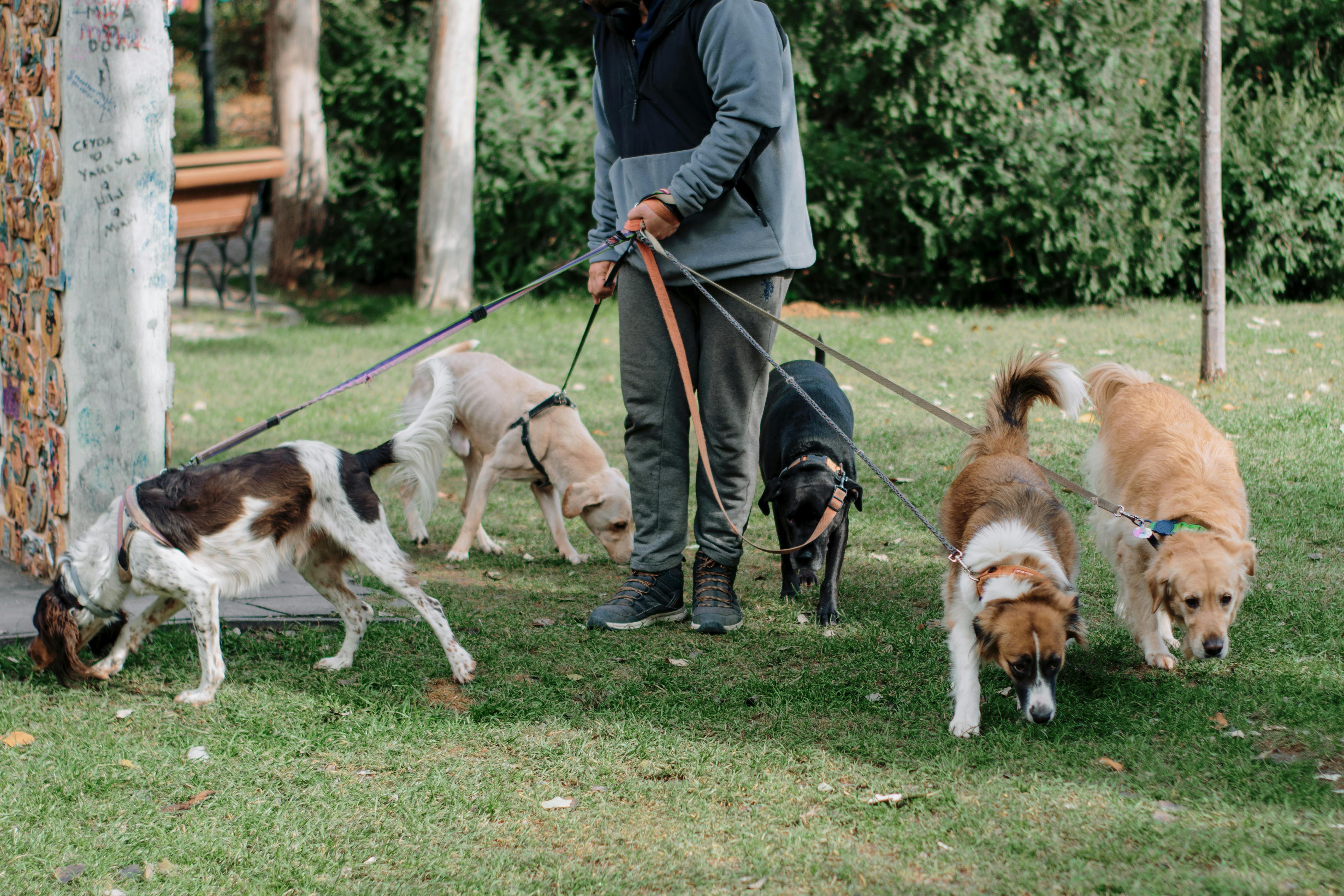
A professional dog walker ensures that each dog is exercised safely, appropriately and in line with the owner’s instructions. Walks may be carried out on a one-to-one basis or in small groups, depending on the service offered and the dogs’ temperaments, training and needs.
Typical dog walking services include:
- Regular weekday dog walks for working owners
- Puppy walks with shorter durations and basic training reinforcement
- Group dog walks for sociable, well-matched dogs
- Occasional or ad-hoc walks for clients with changing schedules
Key responsibilities of a dog walker
Ensuring dog safety at all times
Safety is the foundation of the dog walking role. A professional dog walker must:
- Use secure leads, harnesses and collars
- Understand canine body language and behaviour
- Manage dogs safely around traffic, wildlife and other dogs
- Follow local leash laws and countryside codes
Many dog walkers limit group sizes to ensure they can give each dog adequate attention and maintain full control throughout the walk.
Providing appropriate exercise and stimulation
Dogs need both physical exercise and mental engagement to stay healthy and settled. A good dog walker adapts each walk to suit the individual dog, taking into account:
- Age and breed
- Energy levels
- Health conditions or injuries
- Weather and seasonal changes
Exercise may include structured walking, controlled play, calm sniffing opportunities or reinforcing basic training commands.
Collecting and returning dogs to their homes
Most professional dog walkers collect dogs directly from clients’ homes and return them afterwards. This involves:
- Holding house keys securely and responsibly
- Respecting clients’ homes and privacy
- Sticking to agreed schedules and time slots
Reliability and trust are critical, as owners are handing over both their pets and access to their property.
Basic care during dog walks
While out walking, dog walkers are also responsible for everyday care tasks, including:
- Providing fresh water when needed
- Cleaning muddy paws before returning dogs home
- Checking dogs for injuries, ticks or signs of illness
- Picking up and disposing of dog waste responsibly
Any concerns are normally reported back to the owner after the walk, helping maintain transparency and trust.
Client communication and professionalism
Dog walking is a people-facing service as well as an animal care role. Professional dog walkers are responsible for:
- Discussing routines, expectations and dog behaviour with owners
- Providing updates after walks, often via messages or apps
- Managing bookings, cancellations and schedule changes
- Handling feedback in a professional and constructive way
Clear communication helps build long-term client relationships and generates positive word-of-mouth, which is essential for growing a dog walking business.
Legal, insurance and practical responsibilities
Although dog walking is relatively easy to start, there are professional and legal responsibilities to consider:
- Public liability insurance is essential
- Some local councils limit the number of dogs walked at once
- Secure transport may be needed for group dog walks
- Accurate record keeping for clients, payments and schedules
Many professional dog walkers also complete canine first aid training to improve safety and preparedness in emergencies.
Working hours and flexibility
One of the main attractions of dog walking is flexible working hours. Many dog walkers choose their schedules, but there are common demand patterns to be aware of.
Peak demand is usually weekday mornings and early afternoons, with regular Monday to Friday time slots. Weekend or evening dog walking may be less common but can sometimes attract higher rates.
As a full-time income, dog walking often involves early starts, walking in all weather conditions, and careful planning to maximise earnings.
Skills and qualities of a successful dog walker
You do not need formal qualifications to become a dog walker in the UK, but successful professionals tend to share certain qualities:
- A genuine understanding of dogs and their behaviour
- Physical fitness and enjoyment of outdoor work
- Reliability and strong time management skills
- Confidence handling multiple dogs safely
- Professionalism when dealing with clients
Experience with a range of breeds and temperaments is particularly valuable and can help you stand out in a competitive market.
Dog walking is far more than simply taking dogs out for exercise. It is a role built on responsibility, trust and an understanding of both animal behaviour and client needs. From ensuring safety and providing appropriate exercise to communicating clearly with owners and managing the practical side of the business, professional dog walkers play an important part in supporting modern pet care.
For those who enjoy working outdoors, value independence and have a genuine interest in dog welfare, dog walking can offer a flexible and rewarding way to earn income, either alongside other work or as a full-time career.



Leave a Reply